Face: small vessels and redness
Fine blood vessels may be visible on the cheeks or around the nose. Persistent redness may have a dermatological cause, such as rosacea, which merits assessment before treatment is selected.
At Gynébelle in Ennasr 2, Ariana, Greater Tunis, patients can have small visible blood vessels on the face or legs assessed medically. Nd:YAG 1064 nm laser or DPL pulsed light may be considered depending on the nature of the vessels and the condition of the skin.
The examination helps distinguish superficial telangiectasias, diffuse redness, and varicose veins. It also helps determine whether a dermatology or vascular consultation would be preferable.
Ennasr 2 · Ariana · Greater Tunis, Tunisia
Understanding visible blood vessels
Telangiectasias are small dilated blood vessels visible through the skin. On the face, they may be accompanied by persistent redness or episodes of flushing. On the legs, they sometimes form a star-shaped network. The physician also looks for skin disorders or signs of venous insufficiency that may affect management.
Bulging veins, heaviness, pain, swelling, skin changes around the ankle, or a wound that is slow to heal should be discussed with a physician. Depending on the examination, a vascular specialist may recommend a Doppler ultrasound to assess venous circulation. Bleeding from a varicose vein requires urgent medical attention.
Before treatment
Telangiectasias are small dilated vessels visible at the skin's surface. On the legs, they are often called spider veins. The physician assesses their location, diameter, and depth, as well as the skin phototype and any associated symptoms.
Fine blood vessels may be visible on the cheeks or around the nose. Persistent redness may have a dermatological cause, such as rosacea, which merits assessment before treatment is selected.
Spider veins may form networks of red, blue, or purple lines. Assessment helps distinguish vessels suitable for a skin procedure from those that require a venous evaluation.
Bulging veins accompanied by heaviness, pain, swelling, or skin changes may warrant vascular assessment. Depending on the examination, Doppler ultrasound may be appropriate.
Technologies available at Gynébelle
Device selection depends on the vessel and the skin. The physician explains potential options after examining you.
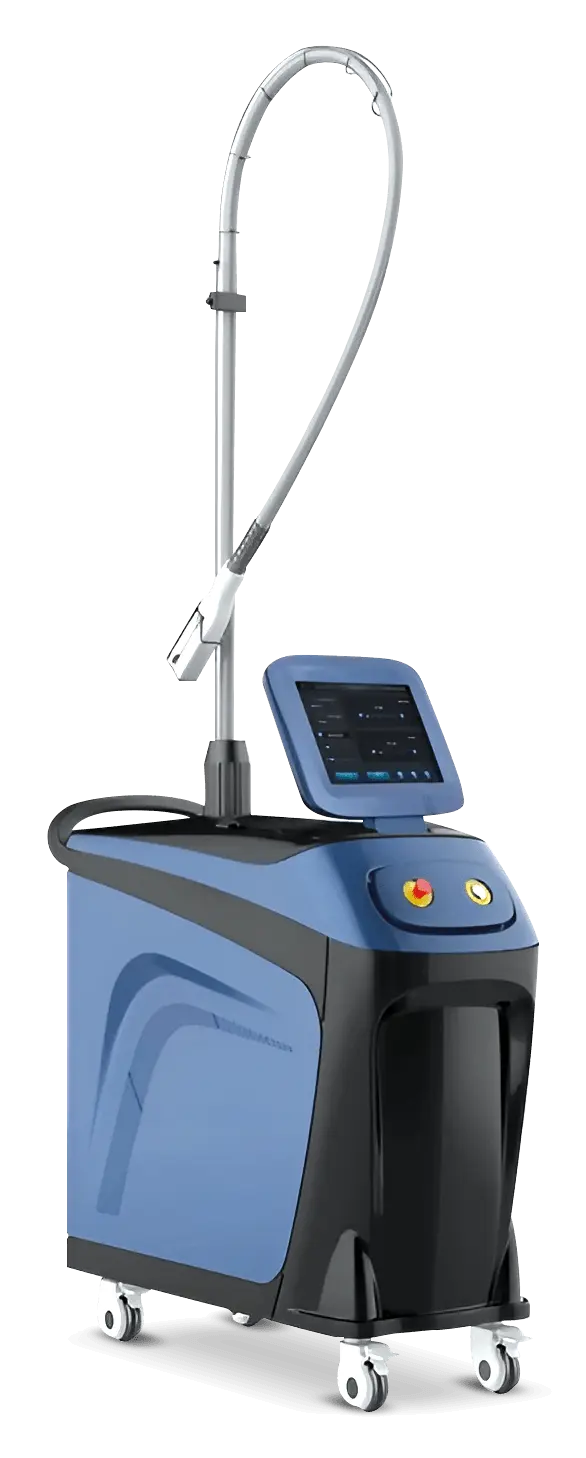
Gynébelle's information page describes long-pulsed Nd:YAG for certain visible vessels of the face or legs. Suitability depends on factors including vessel diameter, depth, and location.
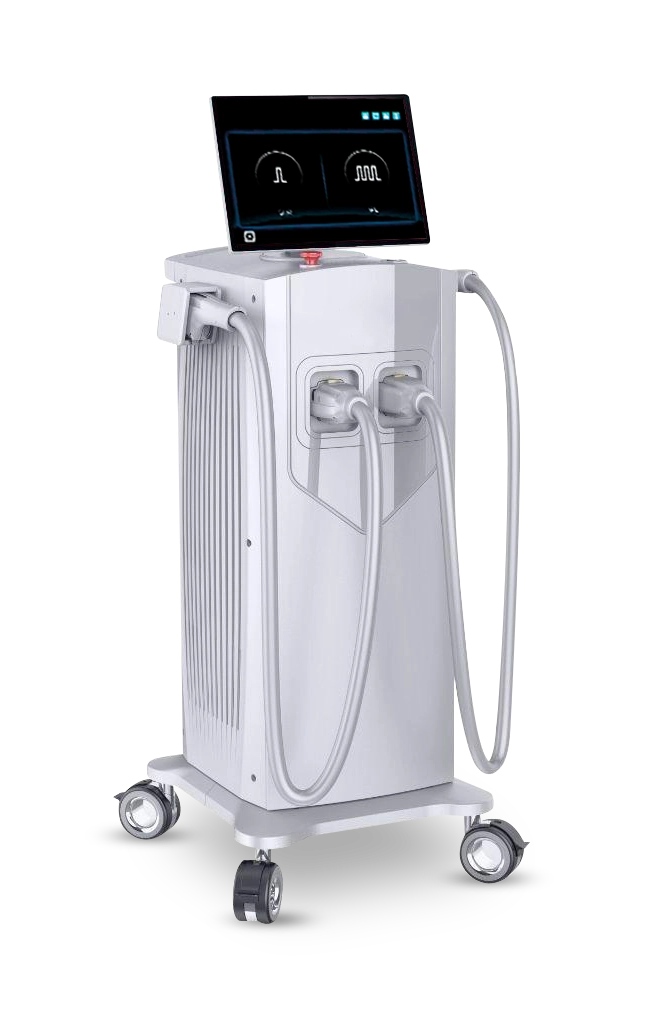
The DPL information page describes potential use for certain forms of redness and small superficial vessels. Diffuse redness may require additional management.
Choosing a treatment
The assessment considers vessel diameter, depth, color, and location, skin phototype, tanning, and current treatments. Depending on the situation, the physician discusses skin treatment, dermatological management, or venous assessment.
Long-pulsed Nd:YAG 1064 nm may be considered for certain visible vessels. DPL pulsed light may be considered for certain types of redness and small superficial vessels. In rosacea, treating visible vessels may be part of a plan that also addresses other symptoms.
For some leg spider veins, a specialist may discuss sclerotherapy. In venous insufficiency, the approach depends on the assessment. Endovenous techniques target selected veins after vascular evaluation.
American Academy of Dermatology · Laser and light treatments for rosacea (English)
Aftercare and follow-up
Eye protection is adapted to the device. Before treatment, ask what effects to expect, what aftercare to follow, and how to contact the team. Redness, swelling, sensitivity, small purple marks, or pigmentation changes may occur depending on the technique. Burns or scarring are also possible.
Vessels fade gradually and results vary. Some vessels may remain visible and others may appear later. Follow-up helps assess progress and tolerance before considering another session.
Follow sun-protection instructions. After treatment, contact the team promptly if pain increases, blisters appear, or redness spreads.
Read Gynébelle's safety information
American Academy of Dermatology · Options for leg spider veins (English)
Gynébelle Medical Center · Ennasr 2
The Gynébelle team includes Dr Ines Ben Hassen Hached, a specialist in obstetrics, gynecology, and aesthetic care. When booking, the center will explain which professional is appropriate for your needs and who provides follow-up.
Before any procedure, an assessment helps confirm the indication and precautions. The professional explains alternatives, risks, eye protection during laser or light-based treatment, and the instructions to follow afterward.
Frequently asked questions
The answers below can help prepare for medical assessment.
Read about vascular applications of Nd:YAGAmerican Academy of Dermatology: spider veins and varicose veins (English)
Spider veins are small vessels visible near the surface. Varicose veins are dilated, sometimes bulging veins. Examination guides the appropriate assessment or treatment.
Suitability varies with diameter, depth, location, and skin phototype. Some redness first requires dermatological care, while some veins need vascular assessment.
The number is discussed after examination. It depends on the area, type of vessel, device selected, and observed response.
The price is communicated after assessing the area and proposed protocol. Contact Gynébelle for consultation arrangements.
The physician discusses it or refers you to a specialist if examination suggests venous insufficiency, particularly in the presence of symptomatic varicose veins or skin signs. Its usefulness depends on the assessment.
It can help reduce certain vessels or areas of redness. Flare-ups and other rosacea symptoms may require additional dermatological care.
Some vessels may remain visible after treatment, and new vessels may develop over time. The physician discusses expected changes and follow-up based on the cause.
Gynébelle · Ennasr 2, Ariana
Please indicate whether your concern relates to the face or the legs. The center will explain how to prepare for the assessment.
Find our address, contact details and opening hours to plan your visit.
Monday to Saturday
9 am – 6 pm
Sunday: closed